IBM Quantum
company
IBM Quantum
role
Senior Design Lead
year
2017-9
Challenge
In 2017, IBM Research set its sights on transforming quantum computing into an R&D business vertical. However, few people understood quantum computing well enough to recognize its value. To turn quantum computing from a research project to a robust platform, IBM needed to broaden who could engage with quantum, professionalize their tools, and establish their ecosystem as the definitive choice for new and existing users.
My Role
As Lead UX Designer, I led a multidisciplinary team of four to design a quantum computing system that could scale with a growing number of users and advances in the science. To do this, I first built trust with our development and research peers, and then leveraged my understanding of the science and our audiences to transform of a series of demos and web tools into a robust quantum platform supporting 300K+ annual users.
Outcomes

Background
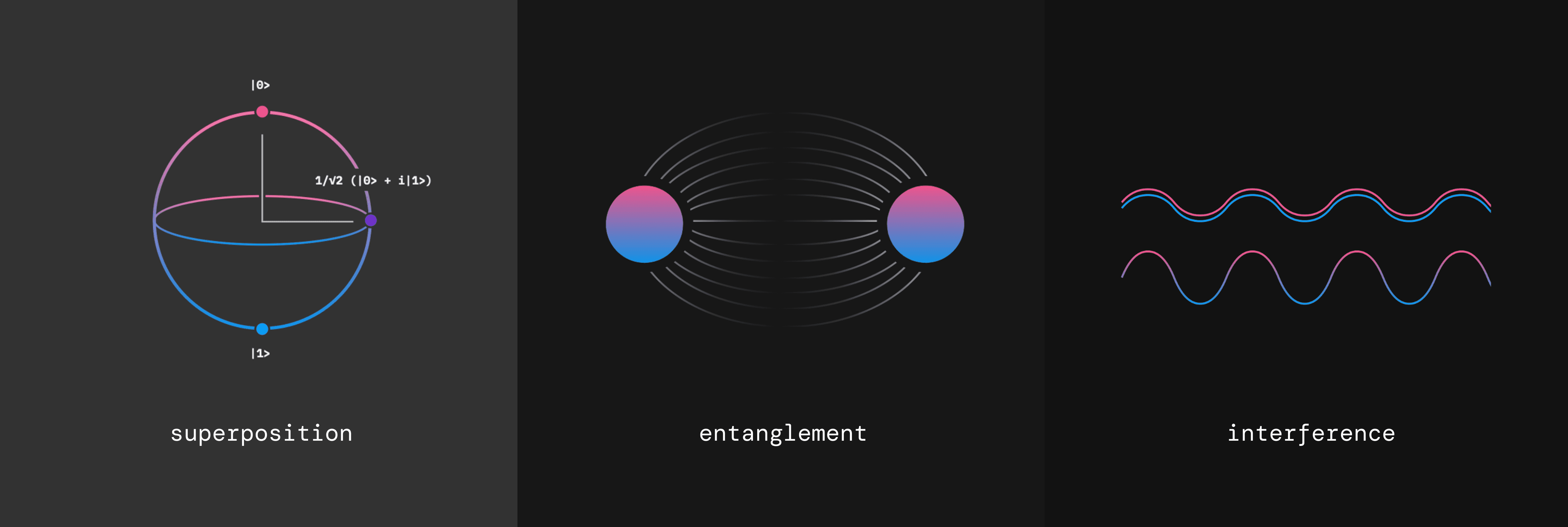
Quantum computing uses three fundamental properties — superposition, entanglement, and interference — to model physical systems and complete calculations that take modern computers decades to solve.
In 2016, IBM's quantum computing team created an experimental demo and software developer kit to see who would use their new 5-qubit quantum computer via the cloud. In 2017, my design team was brought in to guide the digital transformation of IBM's quantum research prototype into a scalable platform, approachable to both quantum researchers and new users.
Approach
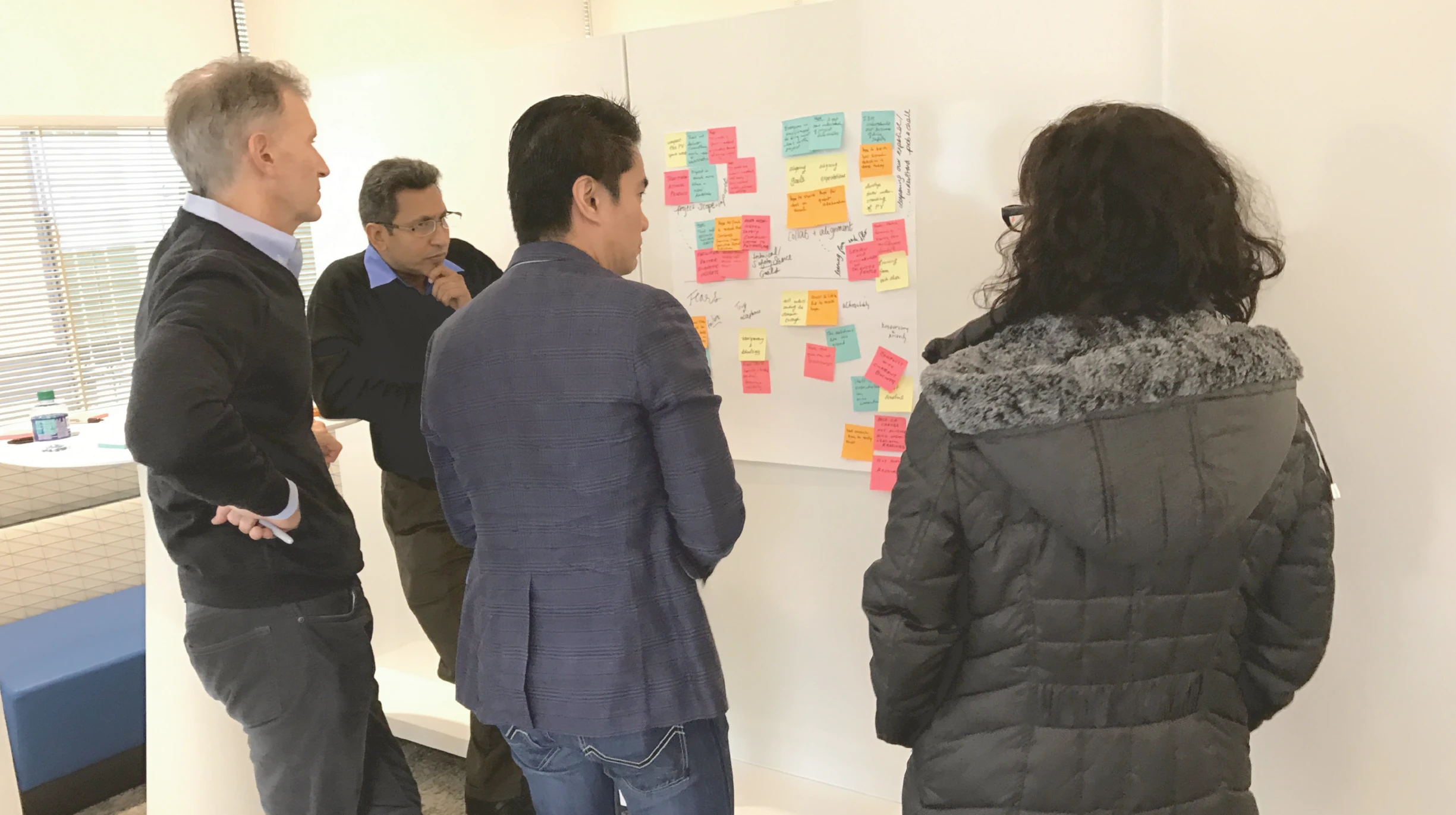
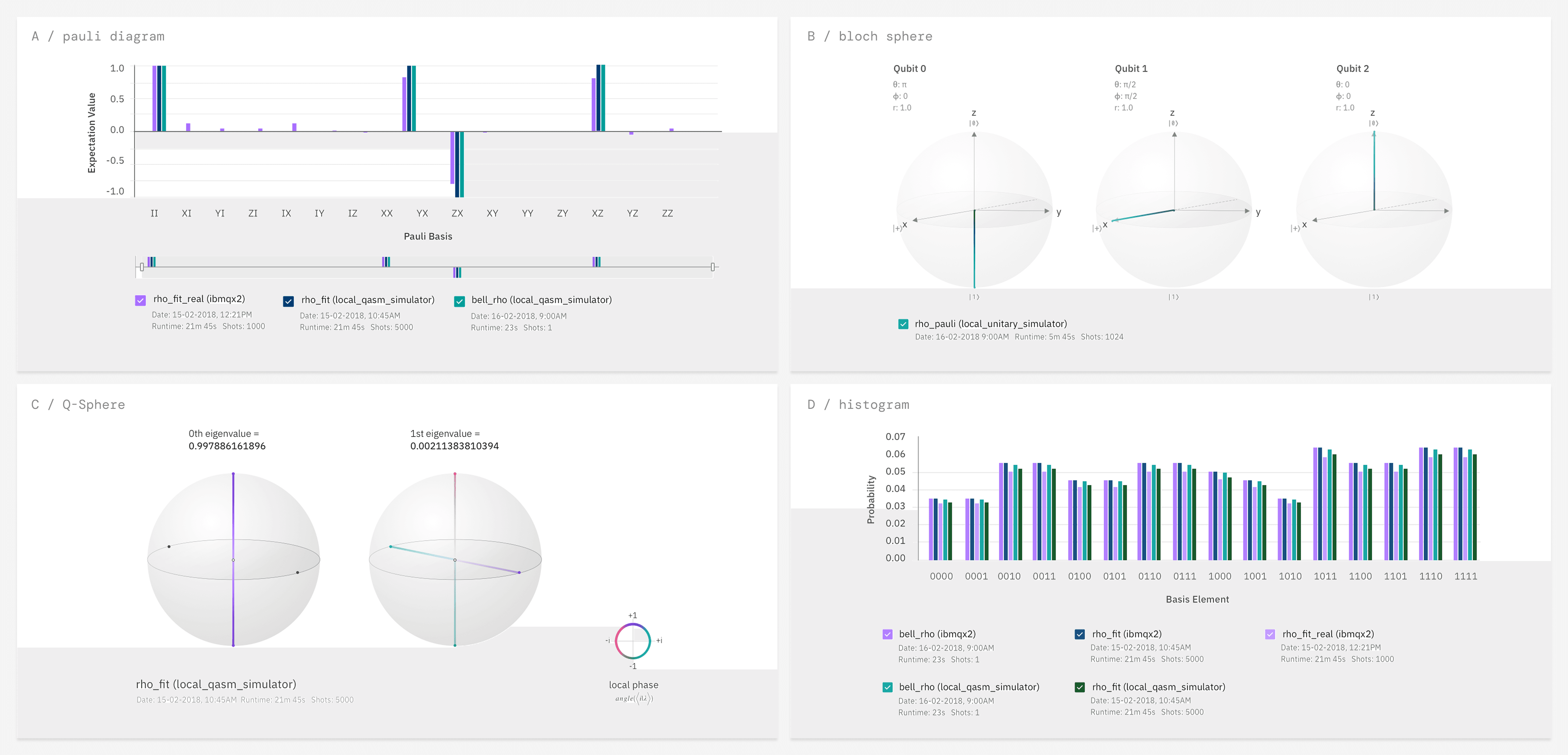
Our first challenge was clear — the quantum research team had been working with developers for a year and didn't understand why design was now involved. To build in-roads, I leveraged my background in physics to act as a 'translator' between research and development, building a series of interactive prototypes with data from IBM research papers. Workshopping the prototypes with the researchers, we found the data-rich use cases provided enough context to get past "surface level" visual feedback to what they needed — a series of custom visualizations to both understand quantum programs and present data for publication. Lack of clear visuals, interactions, and comparative tools severely limited what researchers could do in-system.
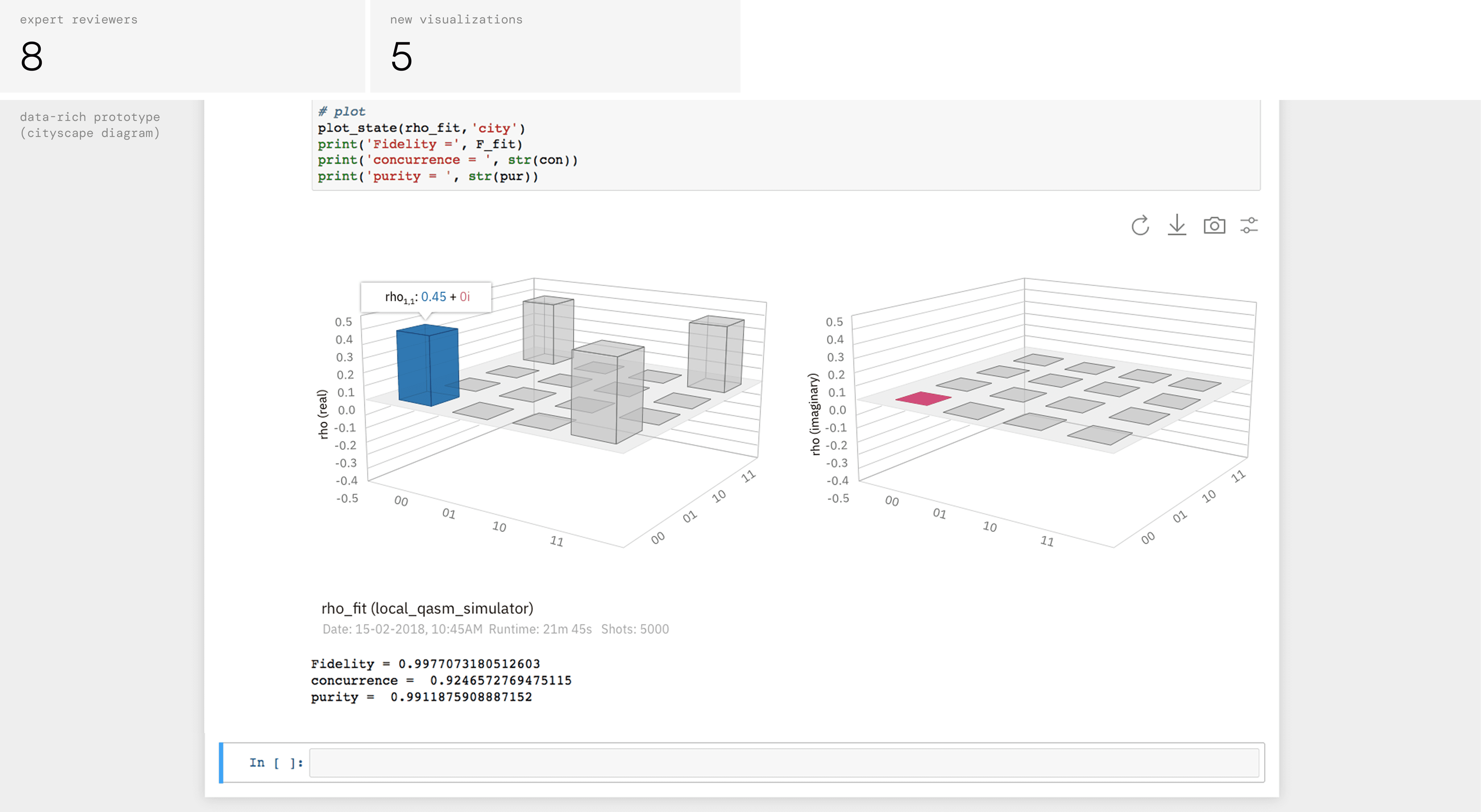
We invited our developers to these workshops, who quickly became excited by the new capabilities the quantum team wanted. Together, we implemented a series of new interactive visualizations for QISKIT, IBM's new quantum software developer kit (SDK), with methods to compare multiple results. We also worked directly with researchers to develop a brand-new visualization method, the Q-Sphere, to provide a global view of a multi-qubit quantum state.
With Design's function established as 'translation and alignment' across the team, we worked to understand the gap between who used the tools currently and the broader scope of individuals IBM wanted to attract, in order to transform existing quantum resources into something that supported IBM's new business goals.
Through existing analytics and user research, we found a variety of users already working with IBM's quantum tools. We also observed the workarounds savvy users employed to get past the current system's limitations, including copy-pasting iterations of code as 'version control' and copious screenshotting to "preview" programs. Newer users often struggled with running their quantum programs due to a lack of understanding and confidence, giving up using the tool shortly after. As one user stated, “often, what happens is that you run a simulation and it doesn’t work… it would be good to have an intermediate check that shows me the qubit is in a particular state.”
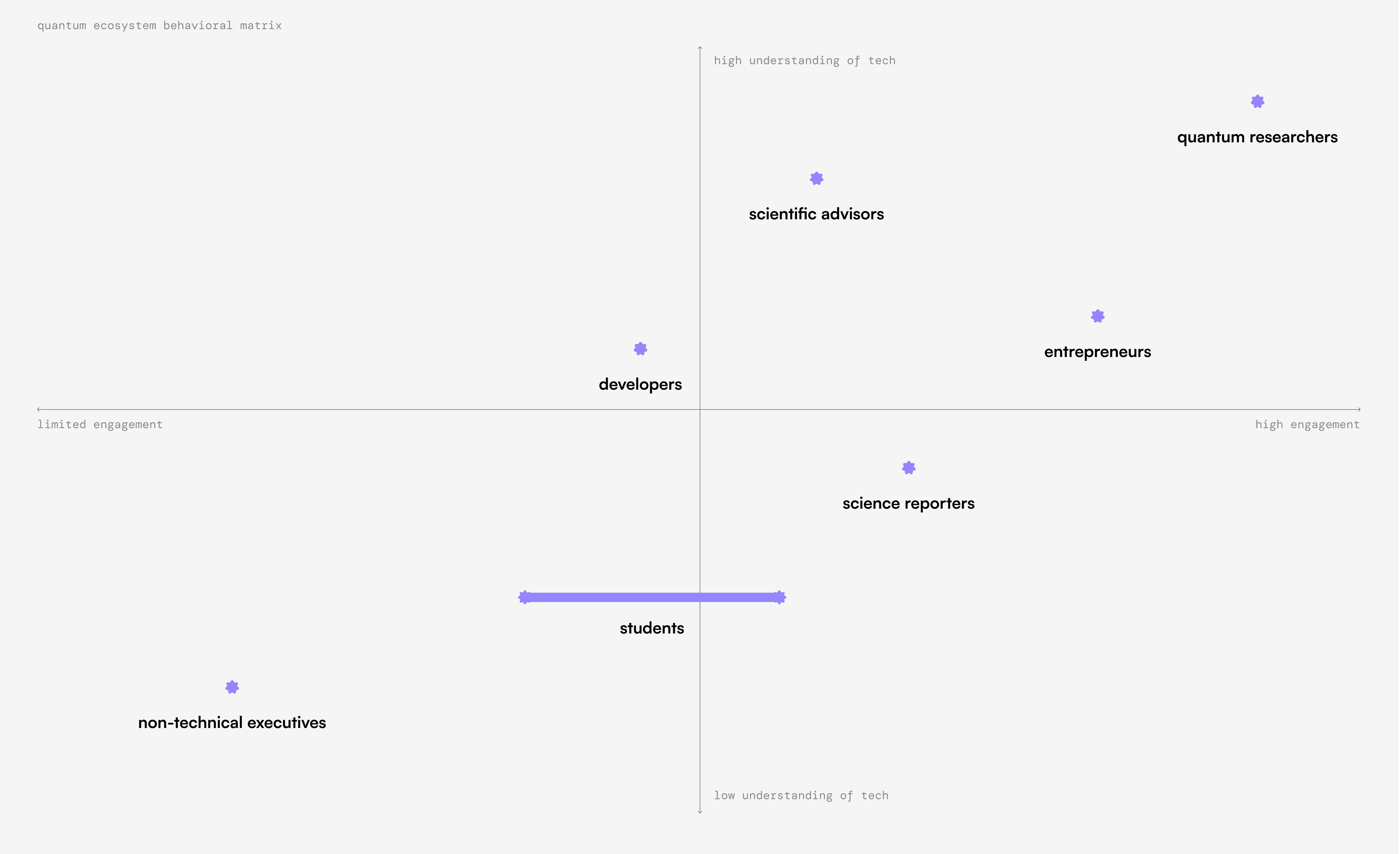
The developers, educators, and business stakeholders were of particular interest to IBM, as they represented the future builders and customers they needed in their new ecosystem. How might we build for these new audiences while enabling researchers to deliver cutting-edge quantum research?
Power users needed better options for previewing, customizing, and running their experiments
Learners of differing abilities needed better onboarding and methods to understand as they were building.
Business stakeholders wanted to go beyond marketing content, but found the introductory materials daunting.
The common thread across these needs was transparency. Regardless of ability, users wanted to view into the quantum 'black box' and iterate on their findings. The same capabilities could both help new and power users, as long as the path only introduced complexity when needed.
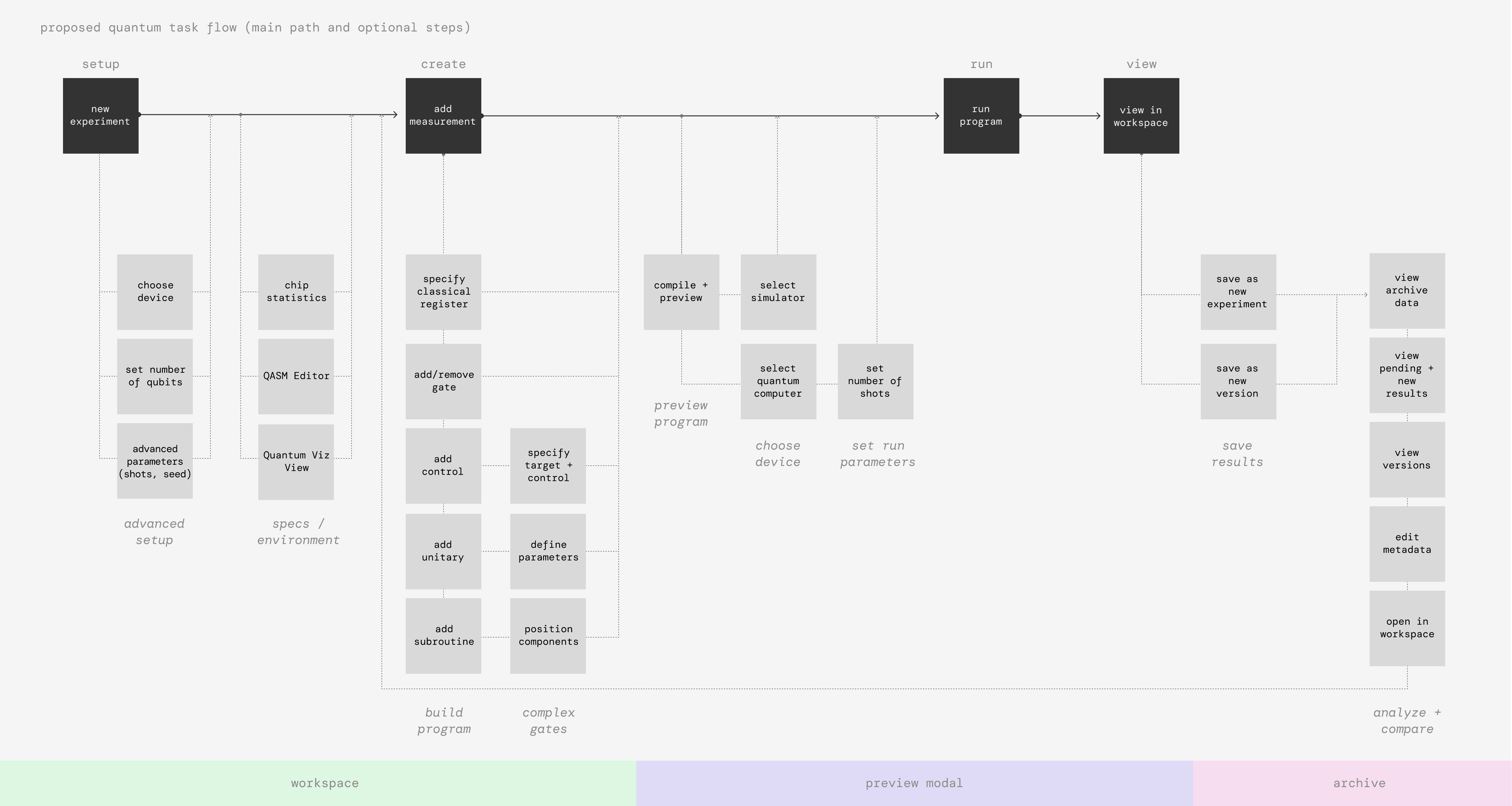
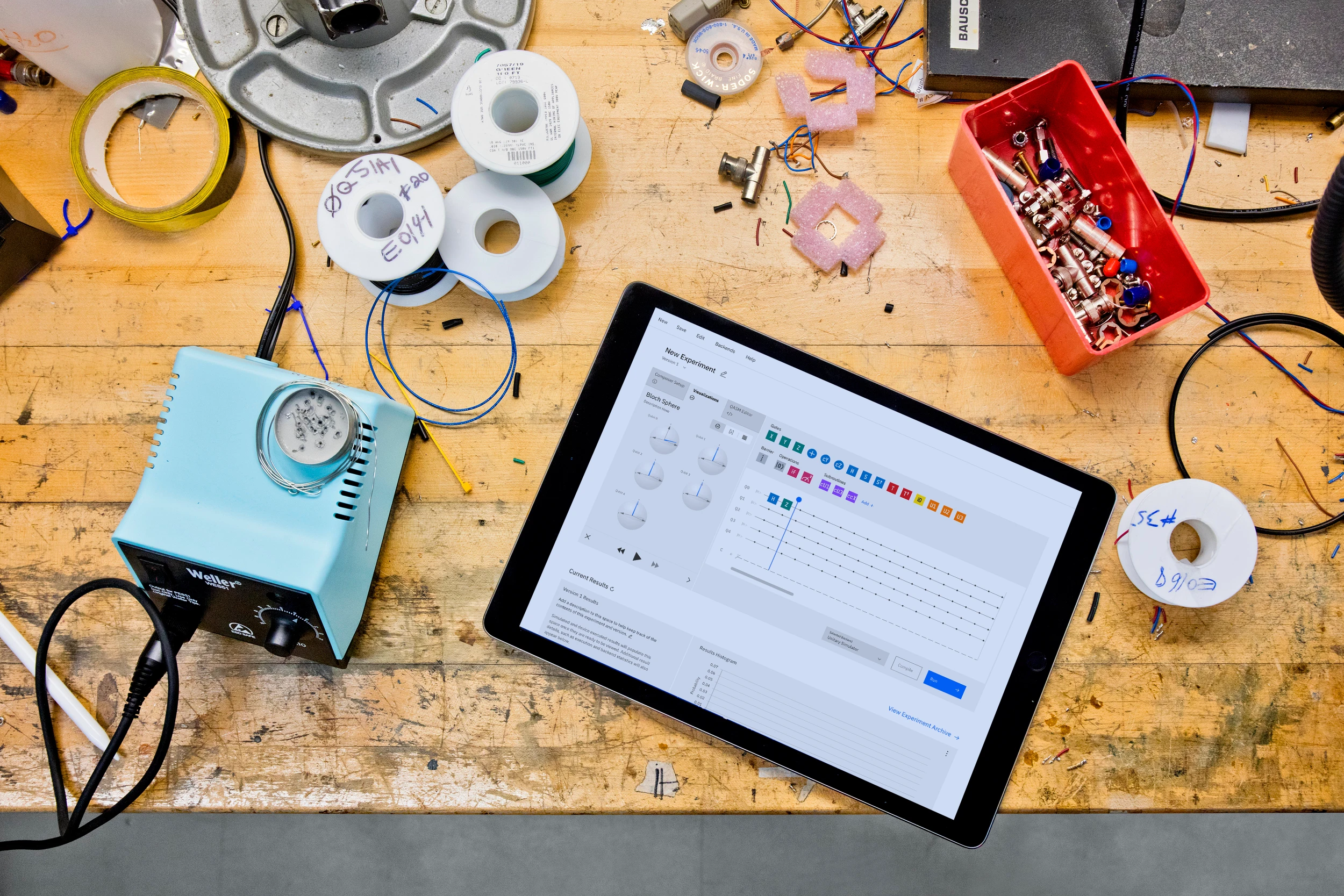
To streamline decision making in-tool, we audited the existing tool and reduced the number of choices needed to run a simple quantum program from 8+ to 3. With the simplest path determined, we proposed new 'transparency' capabilities along the flow that supported both new and power users, including —
The ability to switch between a visual coding interface and quantum assembly code
Integrating the real-time visualizations we'd designed for QISKIT for previewing programs and results
A debug mode and version control that let users audit and iterate on their work
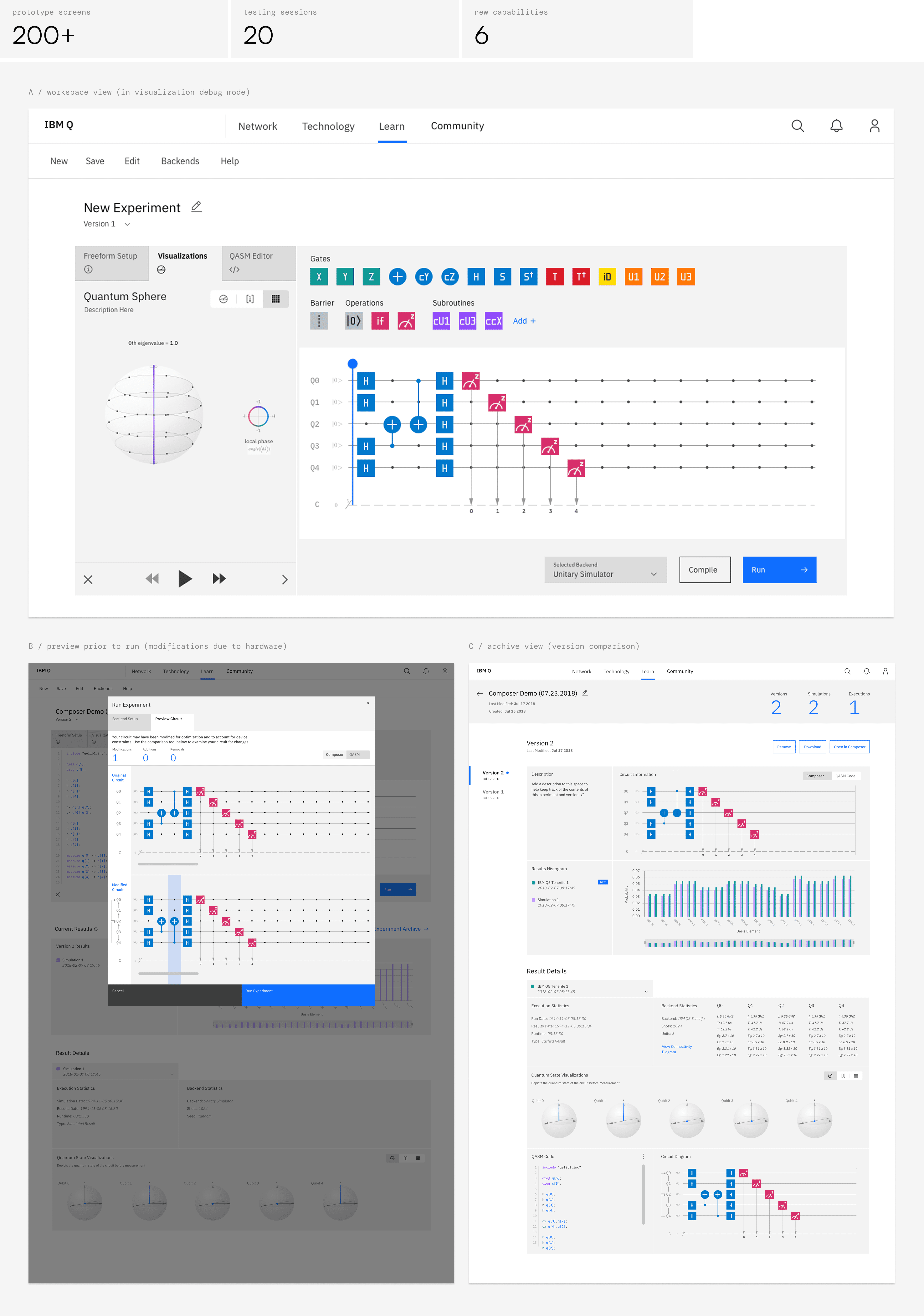
We managed information overload through progressive disclosure and by distributing capabilities between three new sequential "views" — workspace, preview, and archive. To pitch the new experience design to the quantum researchers and executive stakeholders, I developed a comprehensive interactive prototype and video demos, which the team used to secure buy-in and resources. I also unified the educational content across IBM Research and developed a “beginners guide to quantum computing” alongside the platform.
Impact
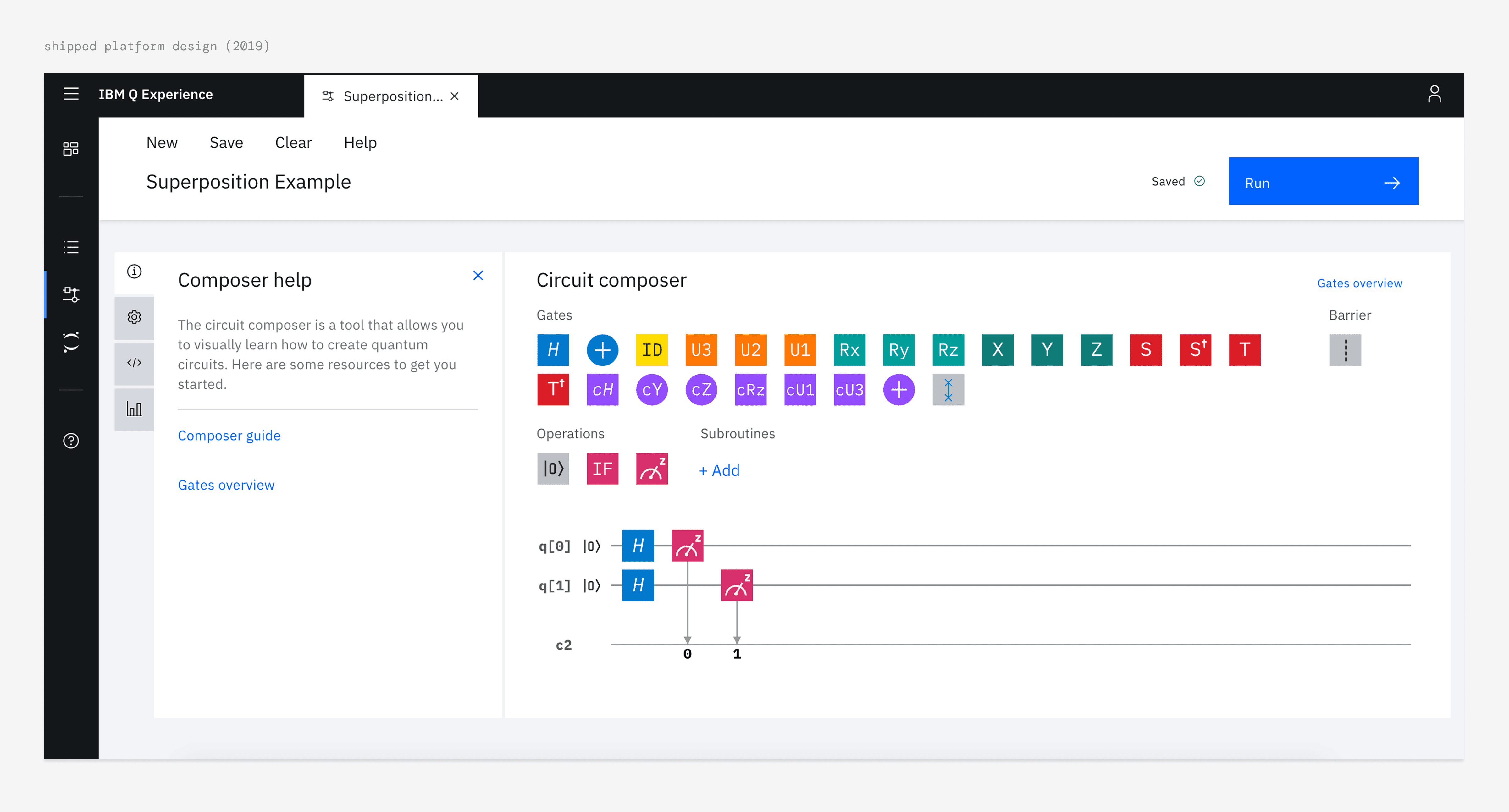
The final platform shipped in 2019 and became a foundational component of a new, unified IBM Quantum ecosystem, available now and used by thousands of individuals. In parallel to the development process, I led the effort to file a utility patent, which was granted in February 2023.
Developing this platform had a large and lasting impact on IBM's quantum ambitions. IBM Quantum successfully spun out into a new business unit, and Design still a key and award-winning function within it. QISKIT is the de facto developer kit for quantum computing, with robust community support and hundreds of thousands of active users. Overall, the IBM Quantum Platform continues to build upon this work to serve as IBM's preeminent quantum hub.
/ case studies